FlexGCC / CASE STUDY
TEACHER EDUCATION / INDIA
Multilingual education
content factory
From approved English scripts to organized video production assets
An education content team needed to turn expert-approved scripts about preventing violence against children into a series of videos for school teachers in India. Each title required coherent scenes, suitable imagery, natural local-language narration and correctly matched production files.
The redesigned workflow gives specialist agents defined production roles and a shared scene structure. It prepares on-screen copy, narration, generated images, language versions and scene-level MP3s, then packages the assets for a human producer to place in a standard design template. The produced video returns to the expert; requested changes pass through the same workflow before another review and approved release.
By defining the scene, language and asset relationships before assembly, the team gives producers a coherent handoff and reviewers a clear basis for checking each video.
Classification Multi-agent and multi-tool workflow factory
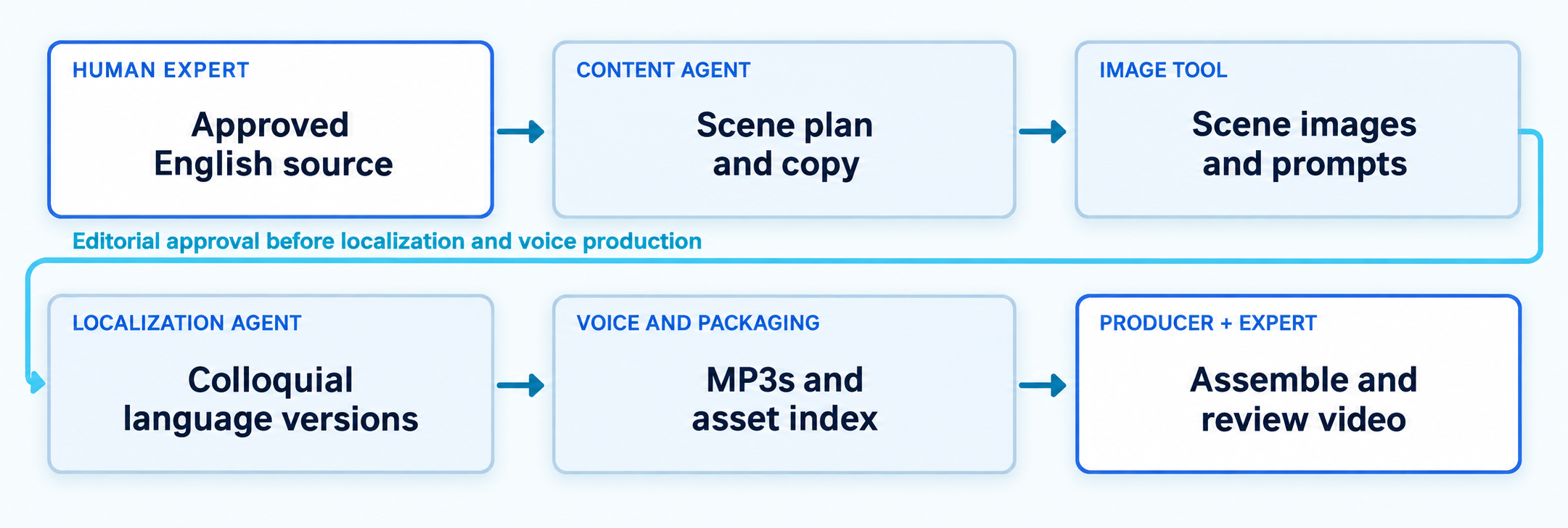
Figure 1 The production workflow at a glance
The objective
Make the approved message usable across formats and declared languages while preserving meaning, keeping assets aligned and concentrating human effort on judgment, review and final assembly.
WORKFLOW REDESIGN
From repeated asset hunting to a coordinated handoff
The conventional production path moves the same message between writers, image selectors, language specialists, voice production and video assembly. Each handoff can require someone to reconstruct which words and assets belong together. The before-state flow summarizes the conventional work and the friction documented during development.
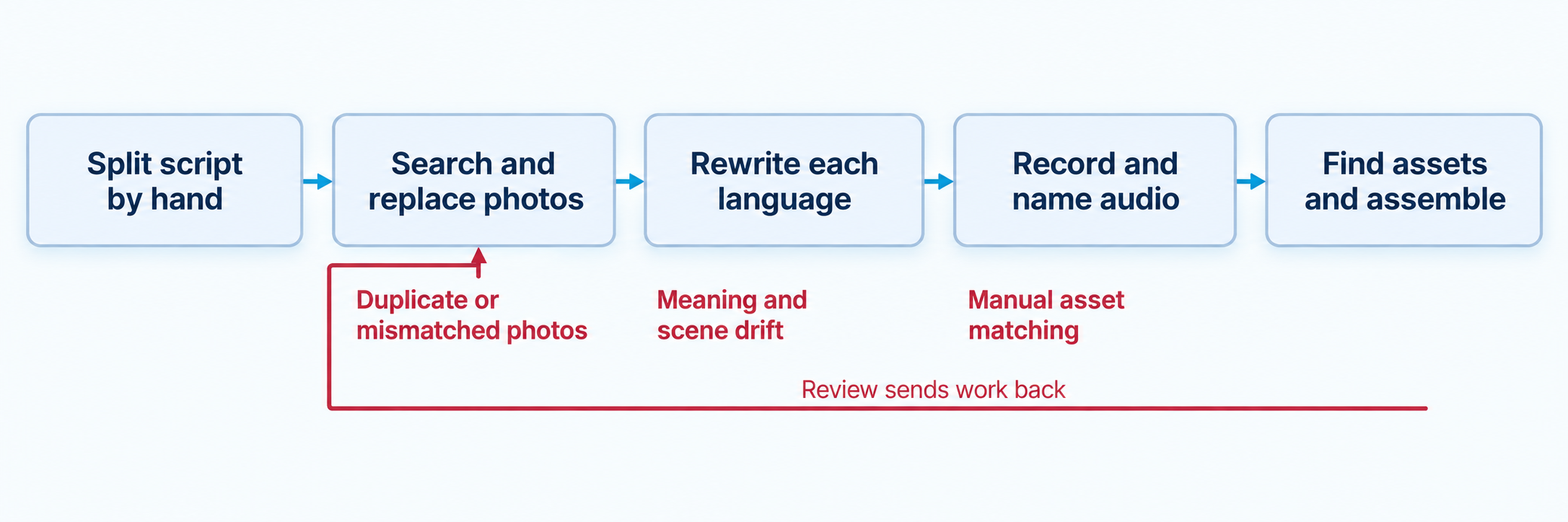
Figure 2 The before state and its recurring friction
A documented reason to redesign
In an earlier run, the workflow owner found a repeated photo and another image that did not match its intended scene. Replacement images then failed the Indian-context requirement. The response was to replace stock-photo selection through the design interface with a scene-specific generated-image process.
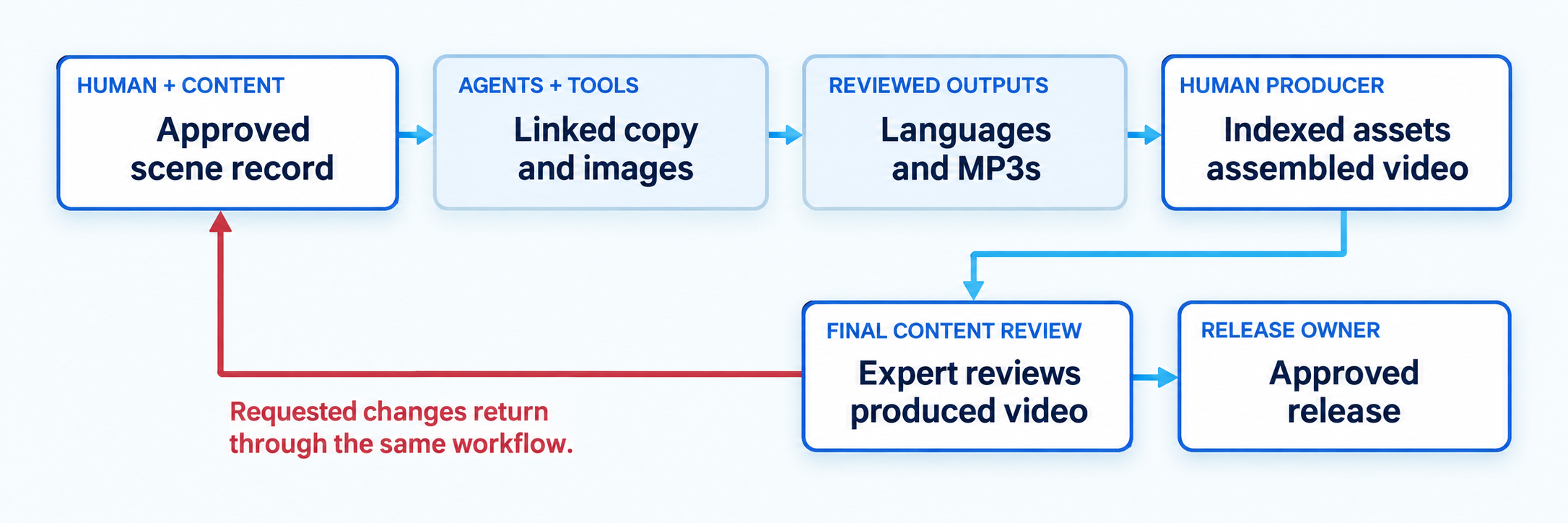
Figure 3 The after state preserves ownership through the handoff
Each image now has a prompt tied to the scene’s meaning and intended setting. Images remain separate from text, so the same approved visual can support different language versions. The final production task becomes copy-paste and asset placement in the template, followed by timing and fit checks, expert review of the produced video, and release after approval. Requested changes return through the same factory and the revised video goes back to the expert.
Generated imagery still requires review for relevance, cultural fit, respectful depiction and visible defects. The redesign changes how the team prepares and controls the work; it does not eliminate editorial responsibility.
HOW IT OPERATES
A scene record keeps every asset connected
The common unit is a scene within a named video. In the initial package workflow, the record separates short on-screen copy from fuller narration and links both to an image. Localization preserves that relationship in each selected language; voice production uses the narration.
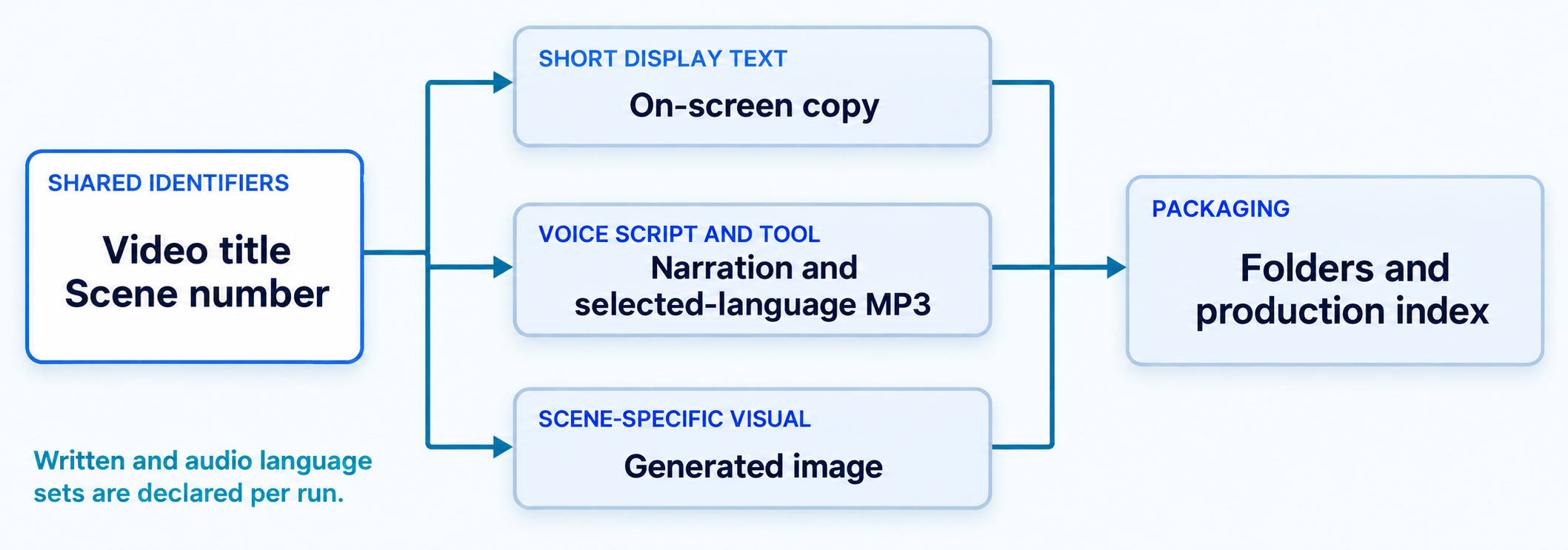
Figure 4 The scene is the link between content and production files
Production component | What the producer receives |
|---|---|
Script and scene brief | Video title, scene order, on-screen text, narration and visual direction. |
Language and audio files | Approved language copy and an MP3 for each declared voice-language and scene pair. |
Images and asset index | Named images plus manifests; the later voice workbook maps Language, Scene Number and MP3 File. |
Localization preserves meaning through natural speech
The language agent rewrites the message in simple, colloquial language instead of copying English sentence structure. It retains qualifications, negation and the intended action, and transliterates familiar English terms when that is more natural. Reviewers check meaning and listening ease before the text moves into voice production.
For each run, the team declares written and spoken languages separately and specifies how scene text is used on screen. The scene index connects scripts and asset folders; the voice workbook identifies the language, scene and MP3.
HUMAN CONTROL
Approval stays with the people accountable for the message
The workflow begins with expert-approved English scripts, as reported by the workflow owner. The first agent can improve presentation but must preserve meaning and add no new advice. Reviewers approve the scene plan and imagery before downstream production uses them.
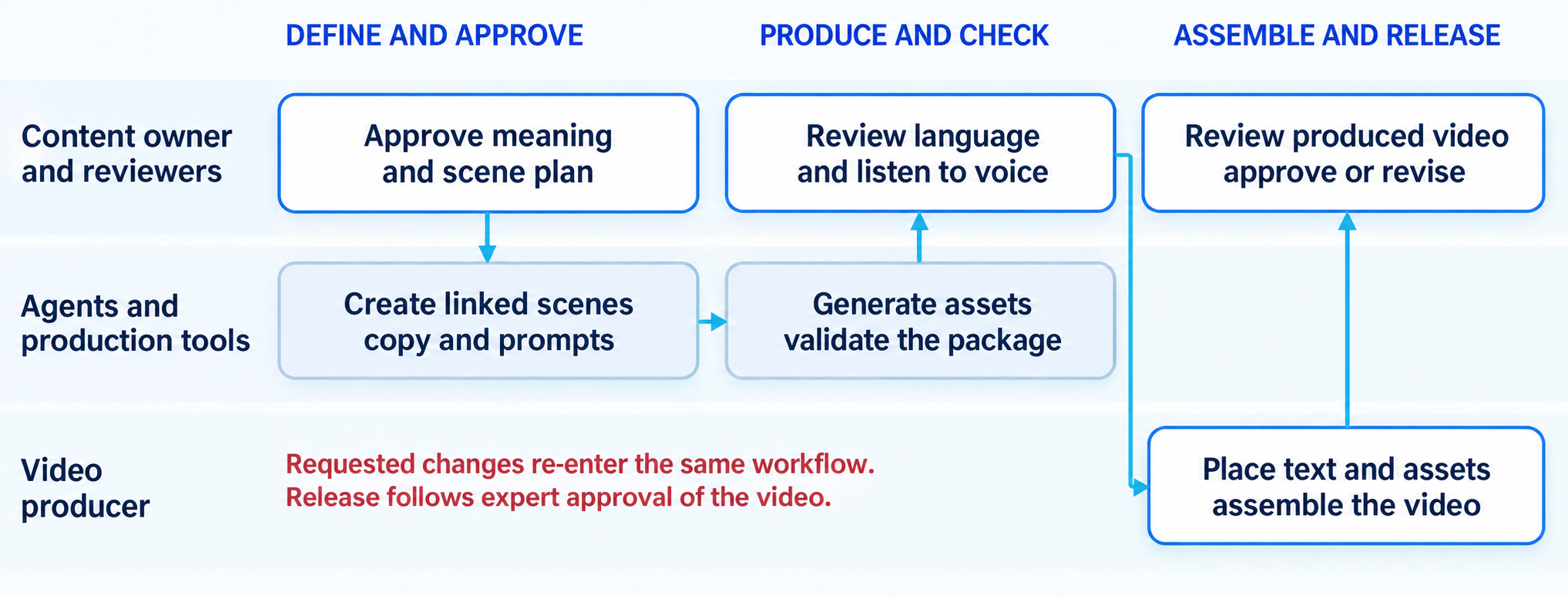
Figure 5 Human decisions and production responsibilities
Control point | Decision retained by people |
|---|---|
Editorial and language review | Confirm source meaning, audience fit, colloquial fluency and sensitive wording. |
Image and voice review | Accept relevant, respectful imagery; listen for pronunciation, Indian accent, pacing and unintended emphasis. |
Assembly and final expert review | Place assets and check the video. The expert approves it or requests changes through the same workflow, followed by reassembly and another review. |
Voice instructions specify Indian pronunciation and a calm educational delivery. Reviewers listen for pronunciation, pacing and emphasis before the narration is accepted for the video.
Automation handles repeatable preparation work around these decisions. The owner’s description of copy-paste assembly concerns the final production step; expert and editorial responsibilities remain part of the full workflow, including expert review of the produced video and any revisions.
BUSINESS VALUE
Effectiveness and efficiency have different evidence
The implemented controls make relationships visible: which source a scene came from, which languages were requested and which audio file belongs to it. That supports consistency and review. The same structure can reduce repeated interpretation and manual matching, but the reduction has not been timed.
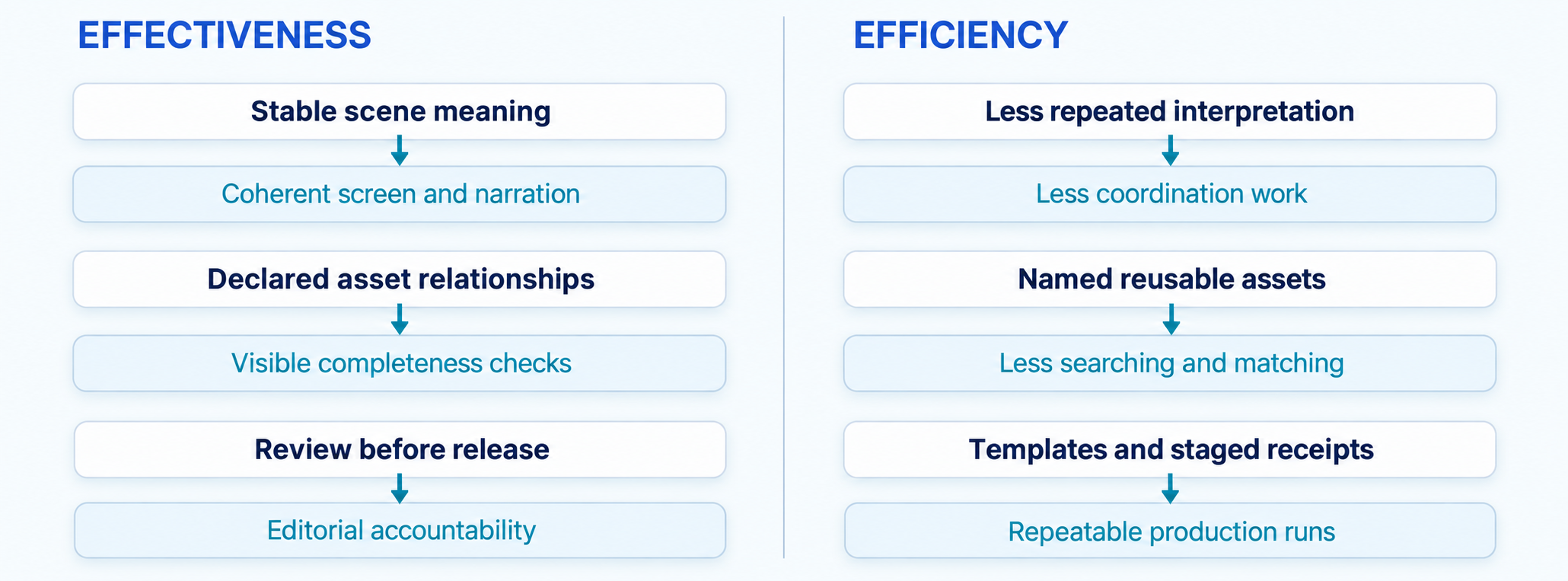
Figure 6 How the workflow can create value
Claim class | What the evidence supports |
|---|---|
MEASURED | Historical checks record asset counts, file hashes, audio duration and validation status. These are production checks, not savings or audience-impact metrics. |
OBSERVED | Current helper code implements scene/file contracts and packaging. Archived records and sample renders show localized content, voice manifests and scene decks were produced and checked. |
ENABLED | Less asset hunting, fewer repeated handoffs, easier reuse and more consistent production are structurally possible. Their business magnitude remains unmeasured. |
Evidence basis This case combines the owner’s operating account, retained implementation, historical production checks and representative archived slide renders. Historical checks support asset production and validation; they do not establish current release status or independently approved language and voice quality. Savings and audience outcomes have not been measured.
REUSABLE OPERATING PATTERN
A reusable pattern for approved content
This pattern applies when one approved message must become many coordinated production assets. Public education, workforce training and professional learning teams can reuse the scene structure, output contracts, language matrix, checks and review gates. Each application still needs its own subject expertise, audience rules and release owner.
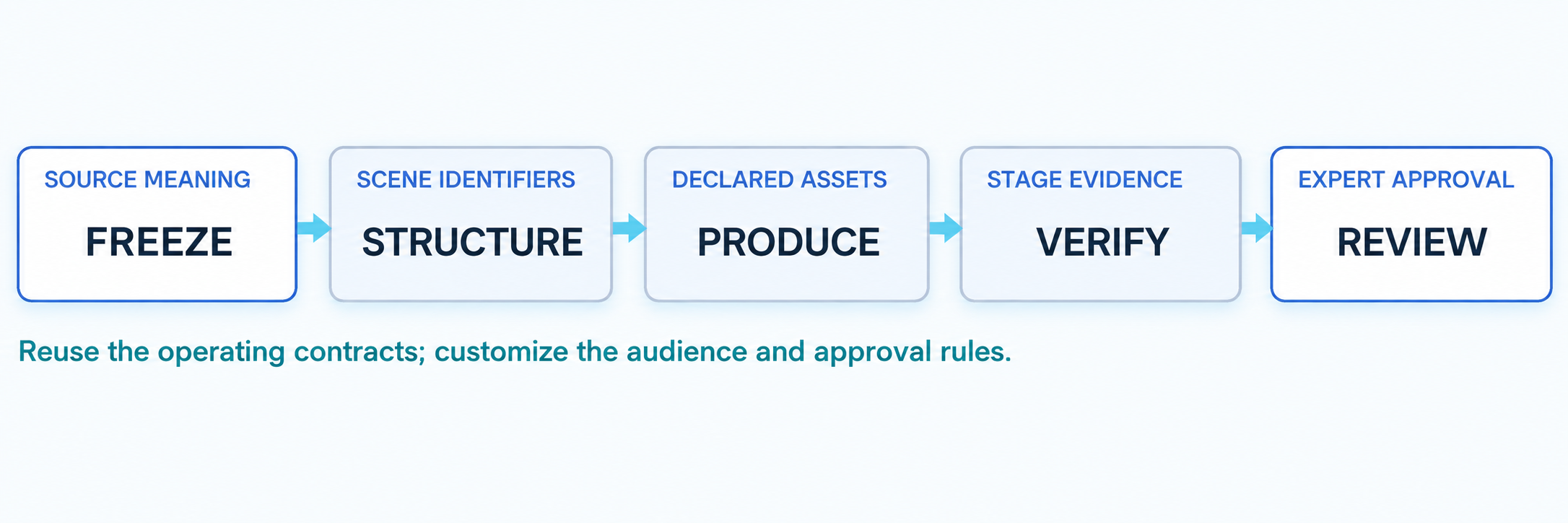
Figure 7 The reusable production pattern
What carries across
Keep one authoritative source and stable scene identifiers. Declare written and spoken languages separately. Make each stage return named assets and a status record. Reuse approved assets only when their source and settings still match. Record incomplete work so another operator can resume without rebuilding the production history.
What must be customized
Set the audience, language register, pronunciation rules, visual context, template and approval responsibilities for each program. The later batch design adds stage receipts and source hashes to make handoffs reproducible. Automation checks structure; reviewers remain responsible for meaning, image suitability and the experience of the final video.
Reusable summary
A teacher-education content team redesigned approved-script production as a multi-agent workflow factory. Shared scene records coordinate on-screen text, narration, generated imagery, colloquial Indian-language versions and MP3s for the selected voice languages. Named folders, manifests and a voice workbook prepare the material for human assembly in a standard template. Retained implementation and historical production evidence demonstrate the pattern; language and listening checks remain human responsibilities. Experts review the produced video, and requested changes return through the same workflow for reassembly and another review before release. Business savings and audience outcomes have not been measured.
What this case demonstrates
A content factory becomes repeatable when the handoffs are designed as carefully as the assets. Preserving meaning, keeping scene identities stable and reviewing both the source and the produced video allows expert knowledge to travel through multiple formats while people retain control over what audiences finally see and hear.
Multilingual education content factory