FLEXGCC EXECUTIVE CASE STUDY
Pharma Brand Solution
Content Factory
From a discovery call to a reviewed solution and a branded proposal set
Executive summary
A pharma brand team needs a credible answer to a specific commercial problem. For the specialist healthcare solutions provider responding to it, the work involves interpreting the brief, choosing a clinically useful service, fitting it into the clinic, and explaining the proposal clearly enough for the client to decide.
The provider operates a multi-tool workflow factory that combines accumulated business knowledge, AI-assisted solution development, expert review and repeatable content production. An approved solution becomes a detailed proposal, which then supplies a presentation, infographic and explanatory video. A human operator applies established branding templates and prepares the files for release. [1]
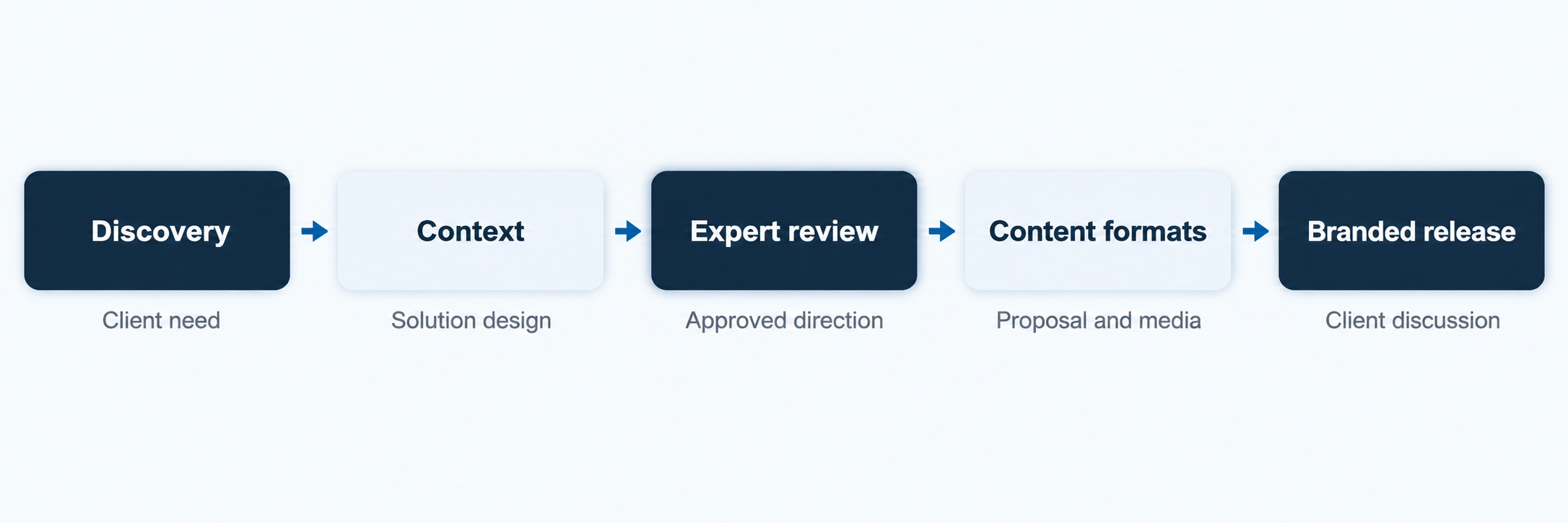
Figure 1 The business workflow at a glance
What the example demonstrates
The reviewed pediatric nutrition example contains a substantive service design: clinic sharing moments, parent interactions, structured reports, follow-up, field activation and governance. Its four output formats communicate that service at different levels of detail. The demonstrated result is a reusable proposal-production capability; the proposed clinic programme itself is not evidenced as deployed. [2–5]
Stage | Workflow owner reports | Evidence status |
|---|---|---|
Solution development | 10–20 minutes | Reported experience |
Complete content factory cycle | 30–45 minutes | Reported experience |
Earlier specialist and creative work | Several days, with back-and-forth revisions | Estimated comparison |
Timing basis. These are owner-reported estimates, not a timed comparison. The account describes repeat production using existing knowledge and templates; discovery, initial setup, research effort and approval waits were not separately logged. No percentage saving, labour saving or ROI is inferred. [1]
The operating change is to reuse expert context and one approved solution across the entire proposal set, while retaining human judgment over fit, claims and release.
How the workflow changed
Sales executives and the prospective client’s brand team begin with a discovery call. The summary carries the commercial challenge, target doctors, current initiatives, constraints and decision context into solution development. The intended output is a coherent set of materials for the next client discussion. [1,6]
Before the factory
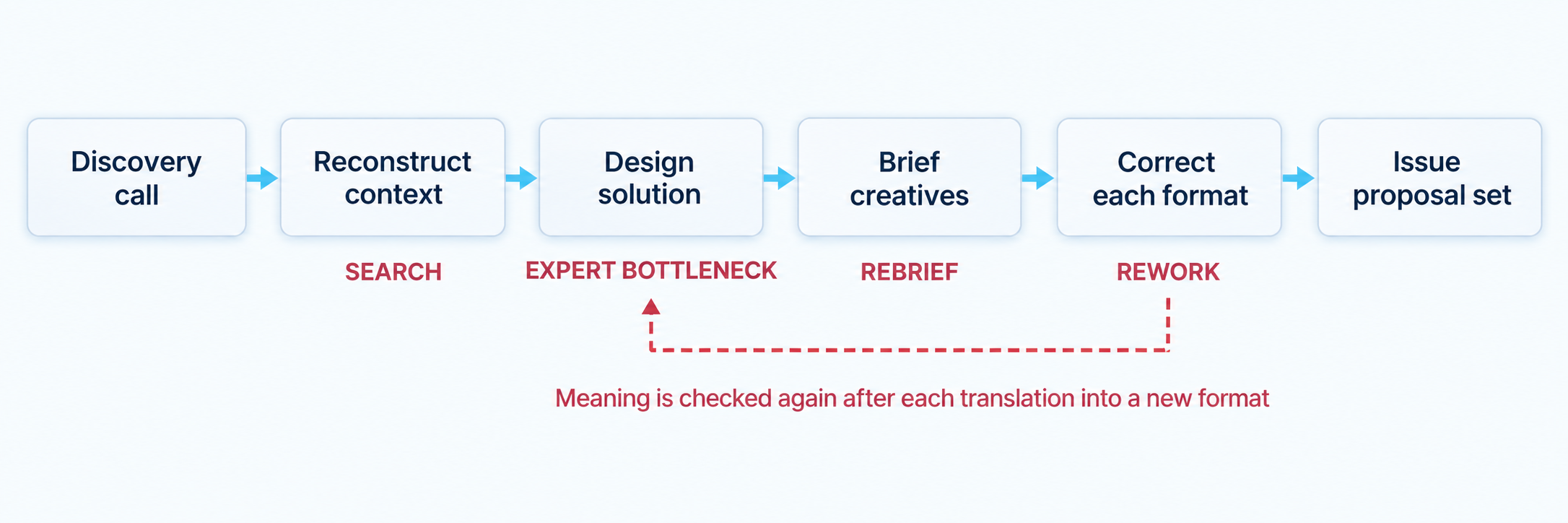
Figure 2 Reconstructed before state based on the owner’s account, not a historical process audit
A senior solution expert and copywriter would reconstruct relevant knowledge and build the proposal. Creative production then required the concept to be explained again, with corrections as it moved into visual and presentation formats. The owner describes this as several days of work and coordination. [1]
After the redesign
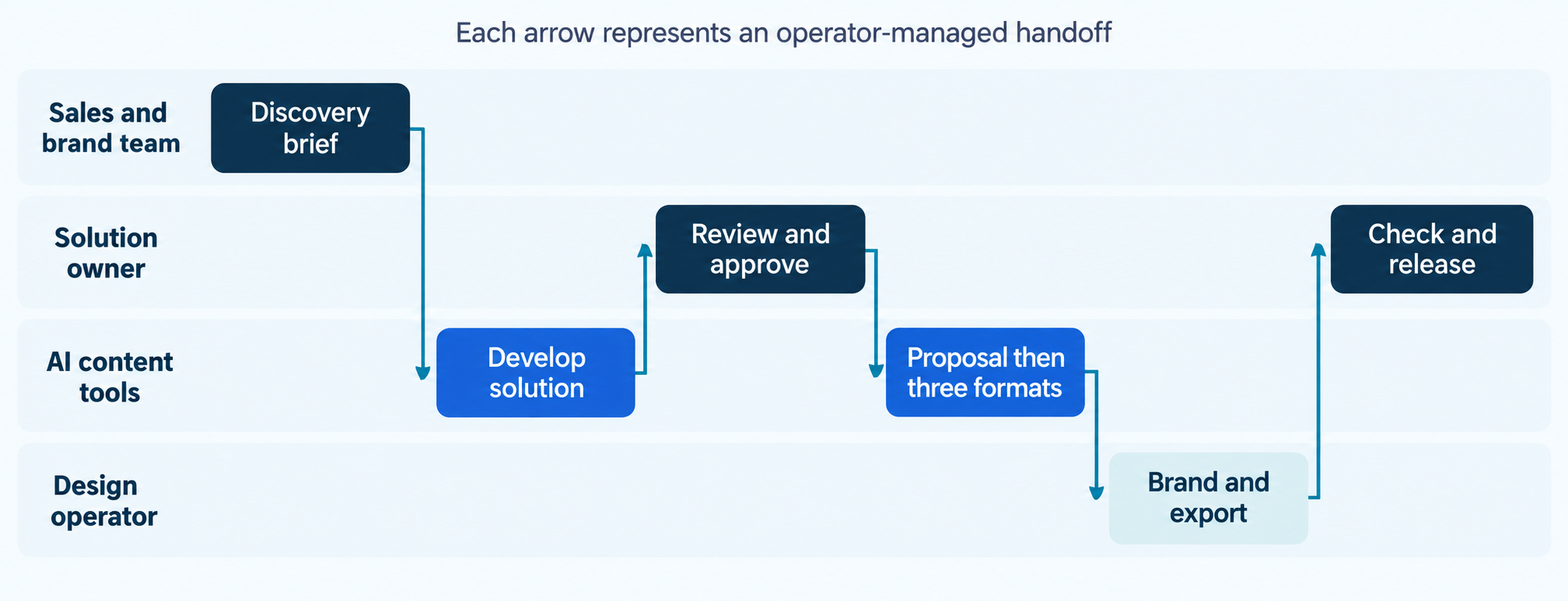
Figure 3 The reported after state with ownership shown in swimlanes
The owner directs the AI tools, reviews the solution and transfers the approved material between production stages. Standard templates simplify branding; they do not remove the need to verify the final message. The accessible evidence does not establish automatic integration between tools. [1]
How accumulated knowledge shapes the solution
The accessible prior-work context is deeper than a library of marketing copy. It describes what the provider’s platforms can do, how clinics use them, how educational and patient-facing services are structured, and which constraints have changed earlier proposals. [6]
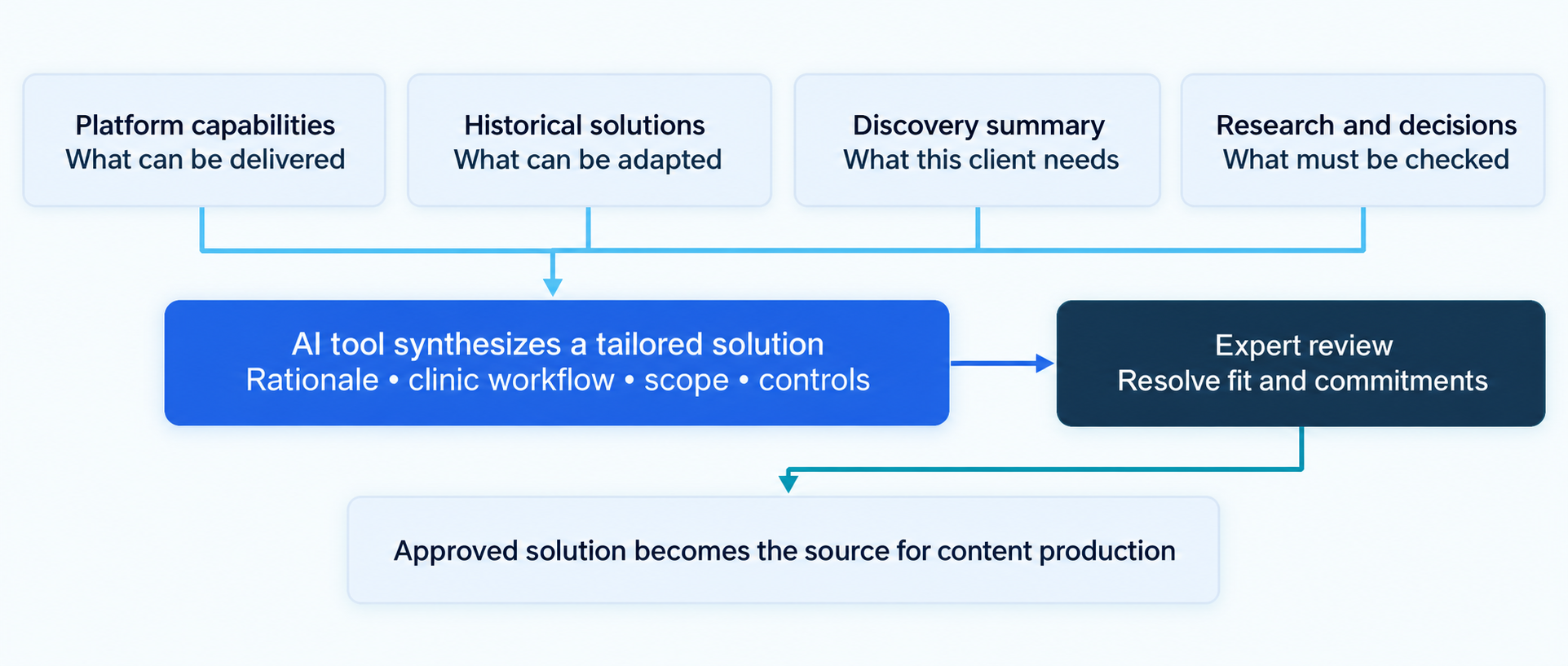
Figure 4 The knowledge and judgment behind the production workflow
What the knowledge base contributes
The platform guide covers in-clinic doctor education, clinic-branded screening and monitoring, multilingual patient education, and clinic follow-up utilities. Historical proposals show how those components can be assembled around different therapy and practice problems. These are documented capabilities and precedents; this review did not test the live platforms. [6]
Accessible prior work | What it shows about solution development |
|---|---|
Respiratory discovery and proposal | The response uses the stated prescriber challenge, specialty priorities and existing initiatives to shape the proposed programme. |
Cough solution revisions | Executive feedback broadens a narrow product-related entry point into a clinic service for a wider set of patient concerns. |
Dermatology solution revisions | Corrections make clinic effort, guideline-based patient support and the separation of product advertising explicit. |
These examples demonstrate context use and iterative refinement. They do not prove that every historical file is retrieved for every request. Research appears in prior solution development; the sources and clinical claims still require checking for the specific proposal being approved. [6]
The reusable asset is the provider’s operating knowledge: what problem to solve, which service fits, how it works in a clinic and what must remain under expert control.
One proposed service explained in four formats
The supplied example proposes a clinic-branded pediatric nutrition screening and education service. It connects the brand brief to a clinic workflow: staff share a link, parents complete a check, the service presents guidance, and concerns return to the pediatrician for review. The proposal sets out clinical review requirements and separates patient information from doctor-facing product communication. [2]
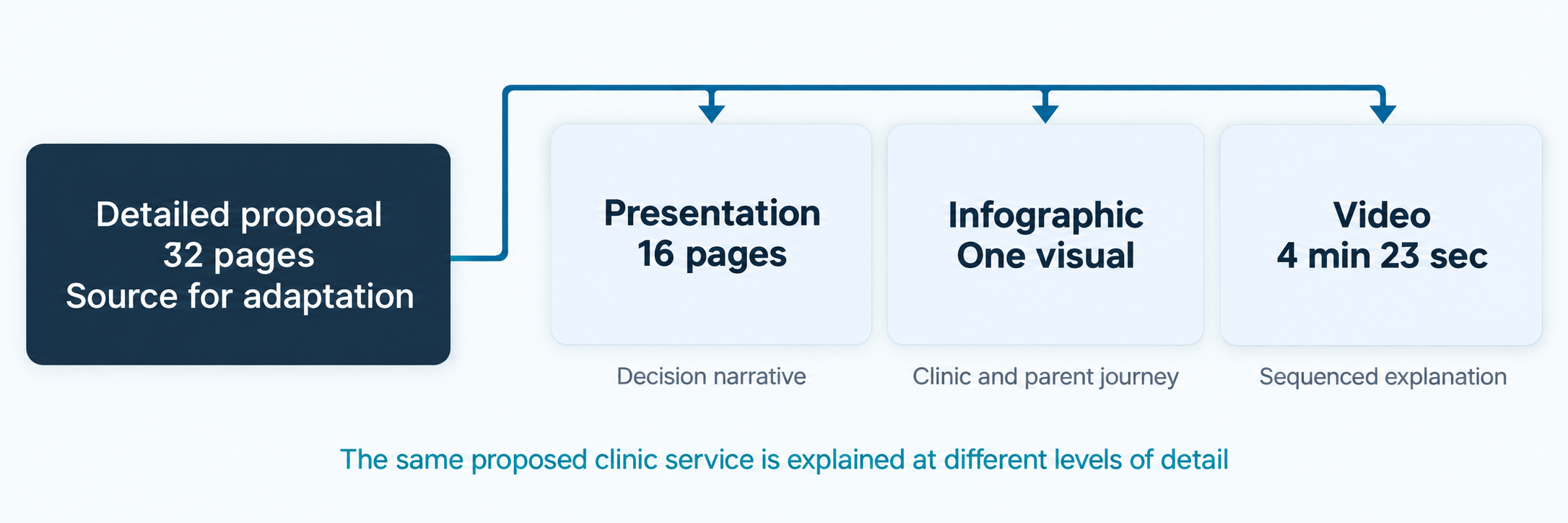
Figure 5 Verified output set with identities removed; counts and duration describe artifacts, not business impact
Format | Observed contribution |
|---|---|
Detailed proposal | Strategic rationale, proposed questionnaire domains, parent and doctor journeys, follow-up, field scripts, deliverables, reporting, commercial scope and deployment plan. [2] |
Presentation | A visual decision narrative using a before-and-after comparison, stakeholder map, parent journey, reporting and follow-up diagrams. [3] |
Infographic | A compact explanation of clinic sharing, parent participation, report handling, result categories and follow-up. [4] |
Video | A sequenced visual explanation of the proposed service, clinic and parent journey, reporting logic and follow-up. [5] |
Why the level of detail matters
The proposal lets a client examine how a service would operate, who would act and what would be delivered. The shorter formats support meetings and onward explanation. The observed value is the depth and range of the communication set; client comprehension, acceptance and conversion were not measured.
Programme scope, rollout dates, certification language and performance indicators in the sample are proposal content. They are not evidence of implementation, completed certification, prescribing change or patient benefit. Confidential identities, pricing and operating volumes have been excluded from this case.
Business value and human control
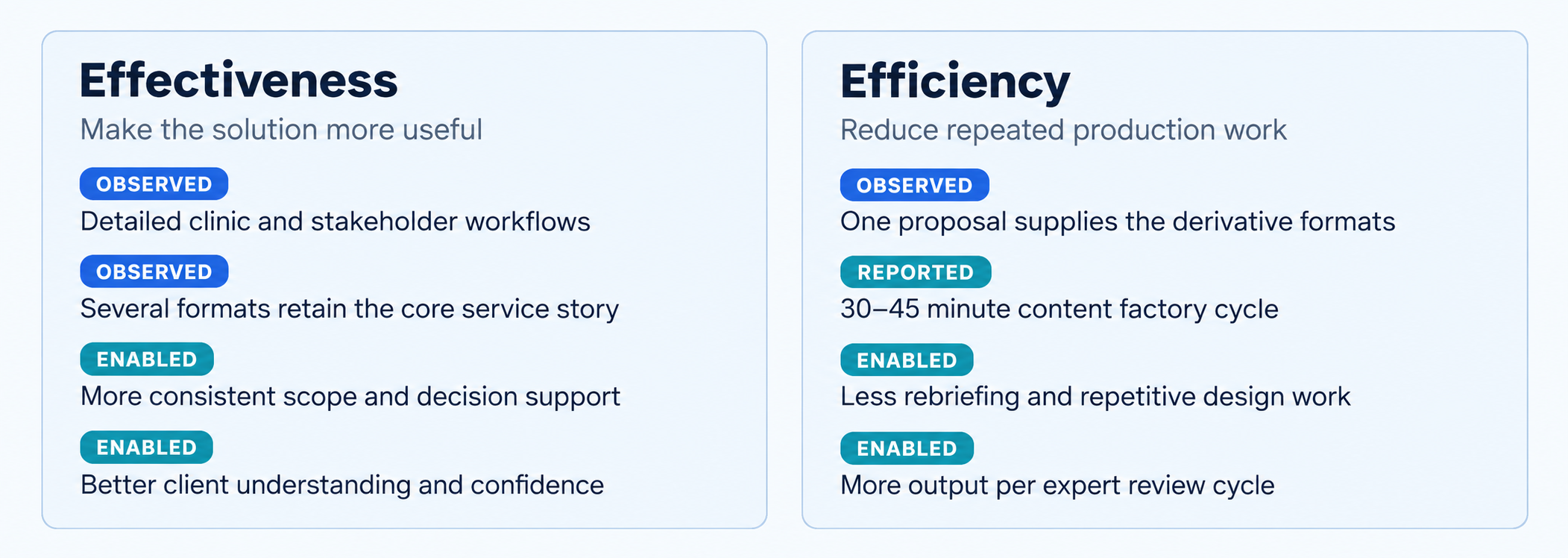
Figure 6 Effectiveness and efficiency are different outcomes and need separate evidence
MEASURED means a quantitative business result has been substantiated; none was supplied for this case. OBSERVED means directly visible in the reviewed material. ENABLED means structurally possible but unmeasured. REPORTED identifies the owner’s timing account and is not treated as measured performance. [1–6]
Where people retain responsibility
Control point | Human responsibility |
|---|---|
Solution approval | The solution owner tests the interpretation of the brief, the proposed clinic utility, feasibility, scope and commercial commitments. |
Clinical and claims review | Qualified reviewers must check the clinical basis and approval status. Patient support stays guideline-focused and clinic-branded; diagnosis and treatment decisions remain with clinicians. |
Production and release | The operator applies branding and checks every format against the approved source. The owner authorizes the final client communication. |
Why review must continue after generation
The sample illustrates how meaning can change during condensation. The proposal says the screener does not diagnose deficiency; a presentation heading uses diagnostic language. The infographic describes automated follow-up more broadly than the proposal’s clinic-controlled messaging rule. These differences show why the final formats need checking against the approved source. [2,3,4]
Expert solution review and manual branding are described in the owner’s account. A completed medical approval record and a formal release checklist were not supplied; these remain controls to evidence when operating the pattern at scale.
The reusable operating pattern
This pattern applies wherever a specialist business repeatedly turns discovery into a tailored solution and several communication assets. Consulting proposals, enterprise service design and professional education offers can use the same sequence when the business has reusable knowledge and an accountable expert reviewer.
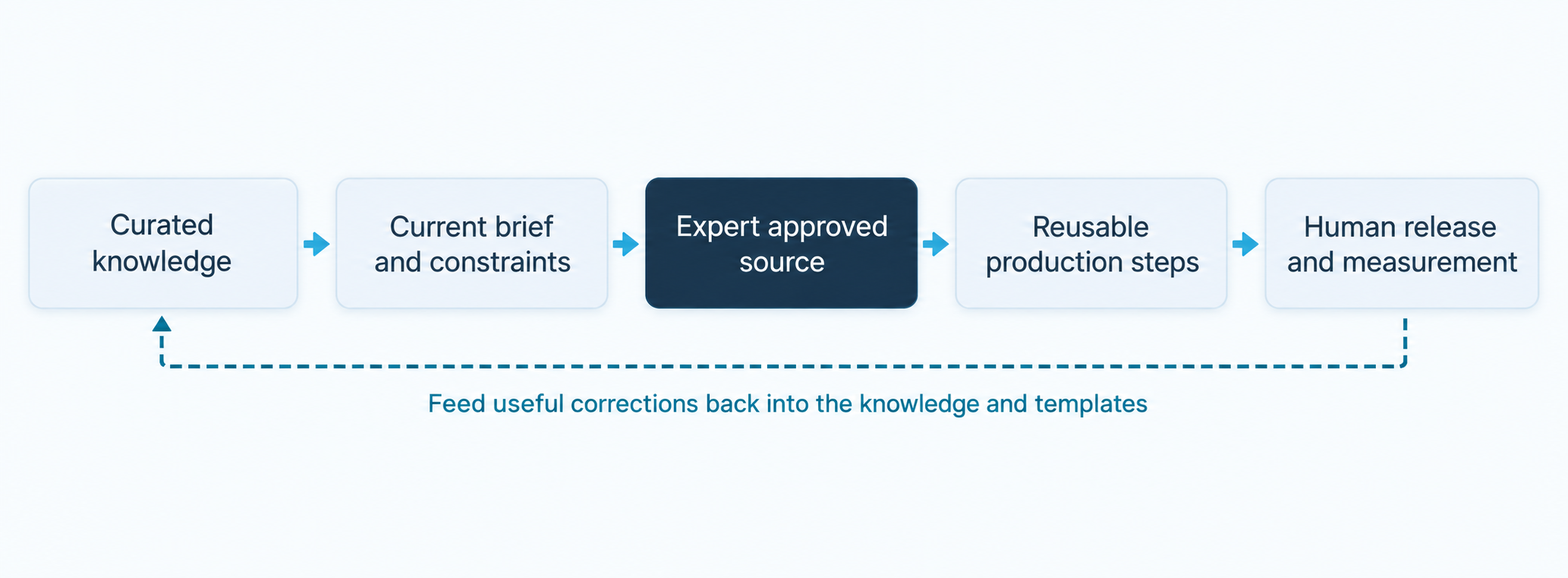
Figure 7 A recommended pattern for reuse beyond this case
Reuse the method and customize the judgment
The reusable components are the knowledge structure, discovery brief, review sequence, source document, content transformations and branding templates. The commercial objective, evidence, service design, clinical boundaries, scope and commitments must be specific to each client. The workflow still depends on expert capacity and well-maintained source material.
Measure the next set of cases
Assign one owner and use time from a complete discovery brief to an approved four-format set as the primary measure. Record active human effort, waiting time, revision rounds and material corrections. Compare cases of similar complexity and track client acceptance separately. Include context maintenance and template setup when evaluating total effort.
For a FlexGCC pilot, the practical starting point is one recurring proposal workflow with agreed input quality and release criteria. A standard brief, approved source version and short cross-format review record would make ownership visible and turn the reported speed into evidence that can be assessed.
Evidence basis
[1] Workflow owner’s process account and timing estimates. [2] Supplied detailed proposal, 32 pages. [3] Supplied presentation, 16 pages. [4] Supplied infographic. [5] Supplied video, 4 minutes 23 seconds. [6] Accessible platform guide, historical solution documents and three prior-work conversations covering respiratory, cough and dermatology proposals. Reviewed September 2026.
Review scope: document content and visual structure, infographic, video visuals and machine-assisted transcript. Source identifiers are retained in the internal evidence record. No client acceptance records, time logs, cost records, live platform tests or clinical outcome data were supplied.
What this case demonstrates
A repeatable content factory can carry expert business knowledge from discovery through to a coherent proposal set. Its strongest operating asset is the combination of a reviewed source, reusable production steps and accountable human release.
PHARMA SOLUTION DEVELOPMENT | ANONYMIZED